People are buying differently now.
Google moved everyone into a different space, and the search patterns we were used to are disappearing.
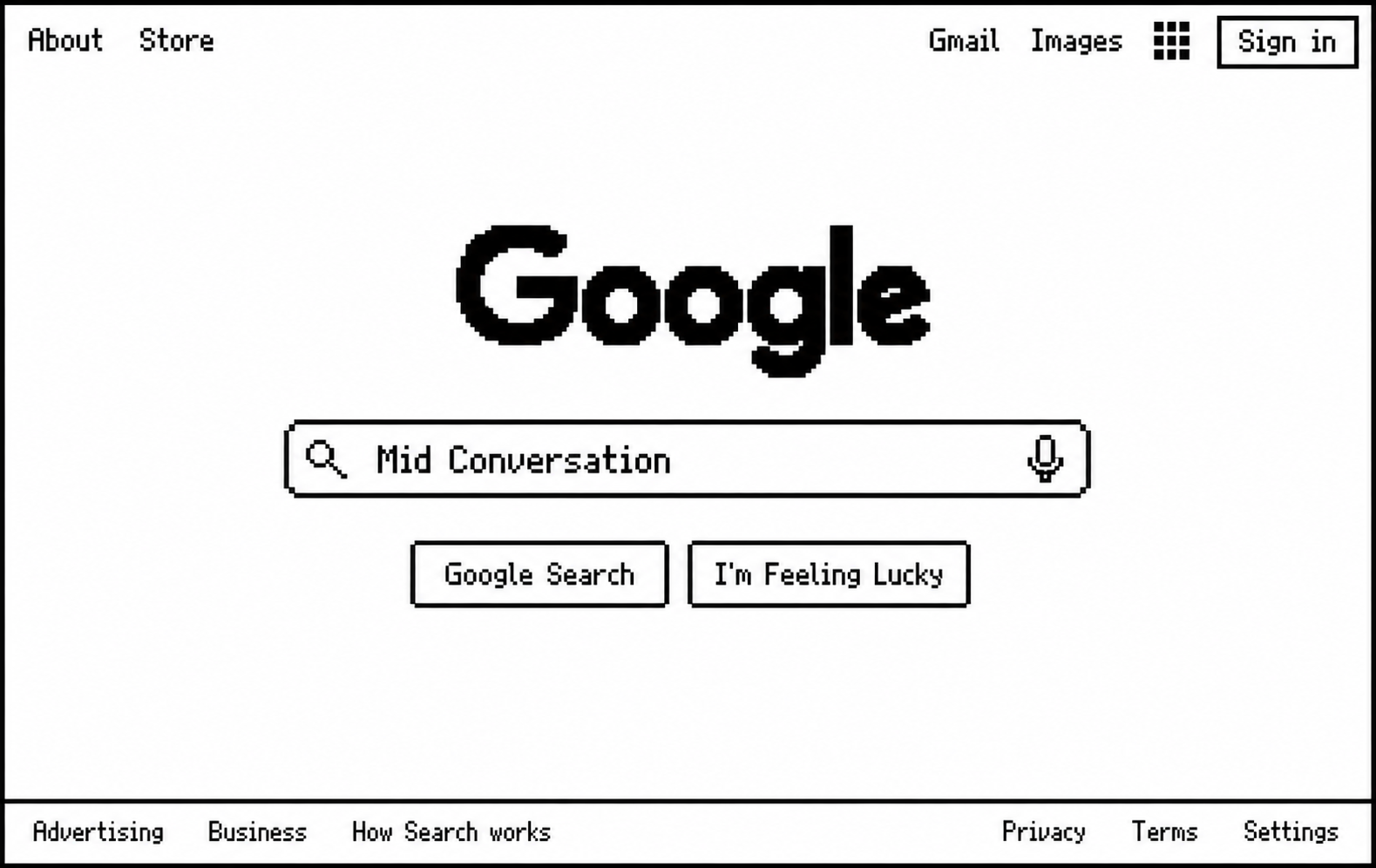
People are asking AI the questions they used to type into search. Those searches are getting longer and more conversational. I'll put a twenty-word prompt straight into the browser bar without thinking about it. Meanwhile AI-generated answers increasingly give people what they need without the click. Radar has been watching that shift happen in real time.
They're comparing products before visiting the companies that make them. They're arriving on websites already three or four steps into their thinking, carrying answers, assumptions, and sometimes information that's flat-out wrong.
That changes more than search.
It changes what a homepage needs to do. What information belongs on a page. What questions we need to answer. And even how we think about the customer journey itself.
We've been pulling on that thread from a few different directions lately. Four pieces, one bigger question: what changes when you no longer control where the customer starts?
Bryan
Quick links
- The Homepage Is Losing Its Job
- Designing for People Who Arrive Mid-Conversation
- 14 things we're learning about designing for AI-shaped journeys
- The Buying Decision Starts Before Your Page Loads
It Starts Before the Homepage
For a long time, we designed websites as if visitors were arriving at the beginning. Here's who we are, here's what we do, and here’s our product. Except increasingly, that's not where our customer starts.
I saw this play out with my dad and a sick rose bush in my backyard. Instead of Googling what was wrong, he took a picture and started asking ChatGPT questions. “What is this? Is it serious? Will it spread? What should I buy?” Each answer led to another question, and by the time he was ready to actually do something, he was already several steps into the journey.
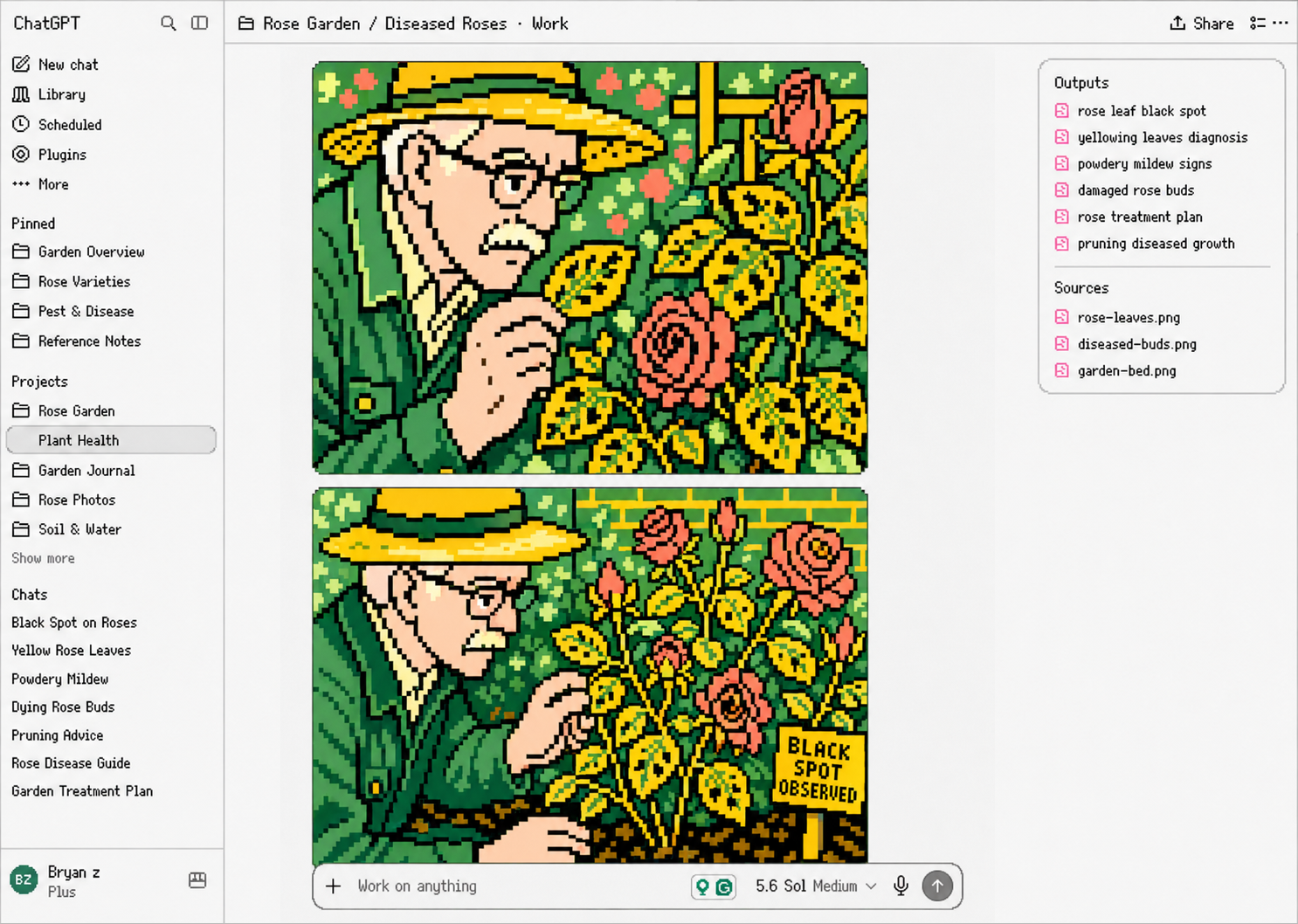
It dawned on me that, that’s increasingly how people are showing up to our websites. They've searched, compared, asked questions, gotten recommendations. They may already have an opinion about you before your homepage loads.
That's the idea behind The Homepage Is Losing Its Job. The homepage isn't disappearing but the role changes when it no longer has to introduce the entire conversation.
Which means people arrive mid-conversation. Once we started thinking about the homepage differently, another problem showed up. Someone might arrive knowing quite a bit. But what do they know? Maybe they already understand the category. Maybe they're comparing two options. Maybe they have one very specific concern. Or maybe AI confidently told them something about your product that isn't true. That's a very different visitor from someone starting at zero.
In Designing for People Who Arrive Mid-Conversation, we pushed on what that means for the experience itself.Instead of asking, "What information should this page contain?" the better question becomes, What is this person likely to ask next? The page starts behaving less like a brochure and more like a conversation.
- Nathalie, Head of Ops
Shifting Some of the Old Design Rules
The patterns we're used to designing with don't hold up the same way anymore.
Navigation feels like work. "Products → Solutions → Platform" asks someone to retrieve information manually when they're used to simply asking a question. People want to get to the parts of a page that answers them.
Copy written to sound impressive gets dismissed fast. "Unified Data Integration Platform" describes a category. It doesn't answer anything. Buzzwords and filler read as a stall.
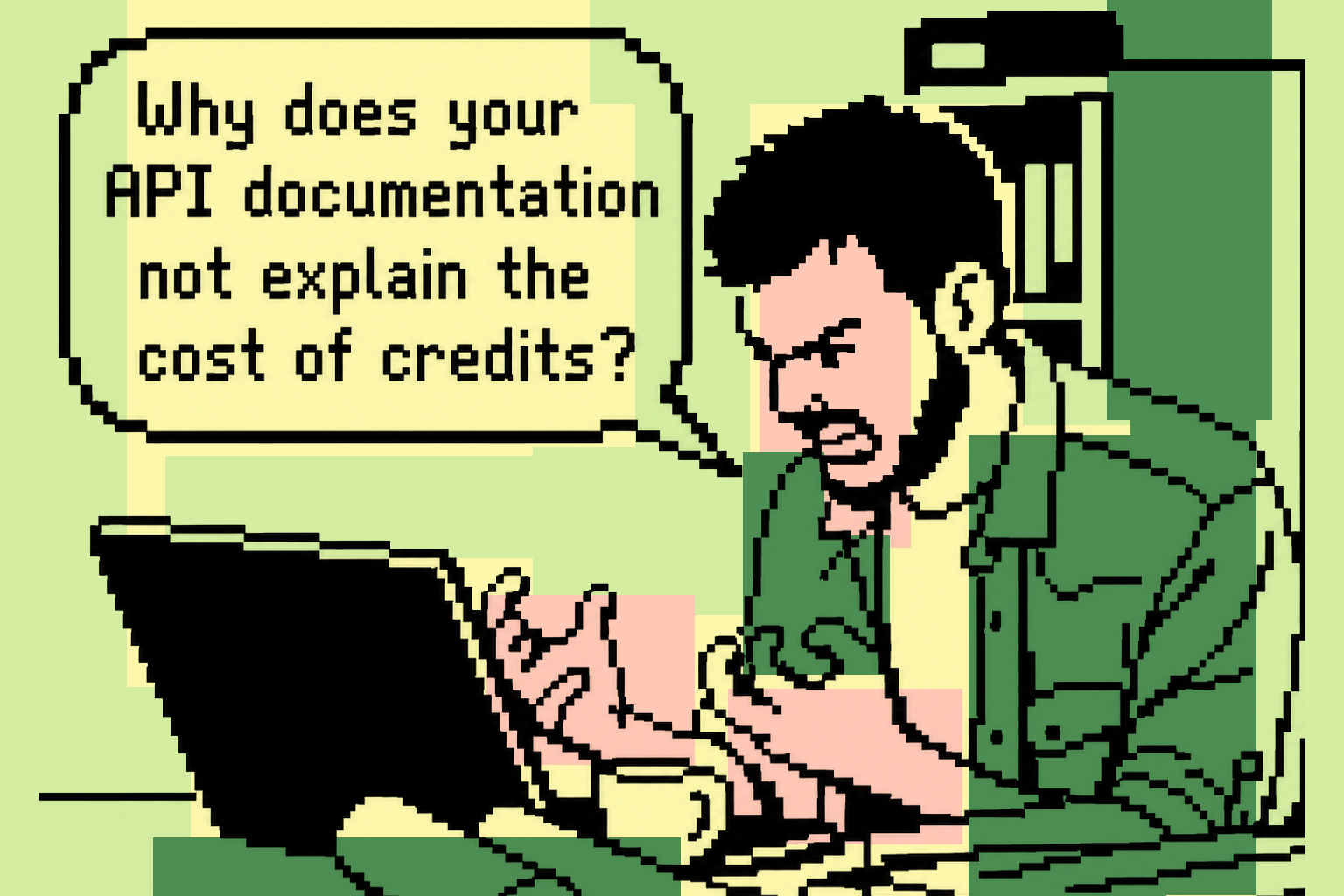
Proof has to show up earlier. People have always skimmed. They skim harder now, lasering in on whatever helps them answer their question. Trust is being judged against an AI that can explain your product instantly.
We pulled together 14 observations from this work:
- The start of the journey moved upstream. People form their understanding in a conversation with AI before they ever reach your site.
- Retrieval and generation are different jobs. Search pointed inside the door. Conversation walks you in, one answer building on the last.
- Visitors arrive three or four steps into their own thinking. They land at "is this serious and what do I buy," not at "what is this."
- Some of the context they carry is wrong. A generated answer sounds confident whether or not it's correct, so people show up sure about things that aren't true.
- Navigation now feels like labor. Clicking Products, then Solutions, then Platform is the visitor doing retrieval by hand.
- Trust gets judged in seconds. You're not being compared to a competitor's page. You're being compared to an AI explaining you in your absence.
We shared the other seven over on LinkedIn.
ZURB Rocks
Wispr Flow does something smart at the bottom of their page. Instead of working to keep you there, they hand you a prompt and a button that drops it into ChatGPT, Claude, or Perplexity. They push you off the site to keep your question going.
We tried it on ourselves. It held up better than we expected!
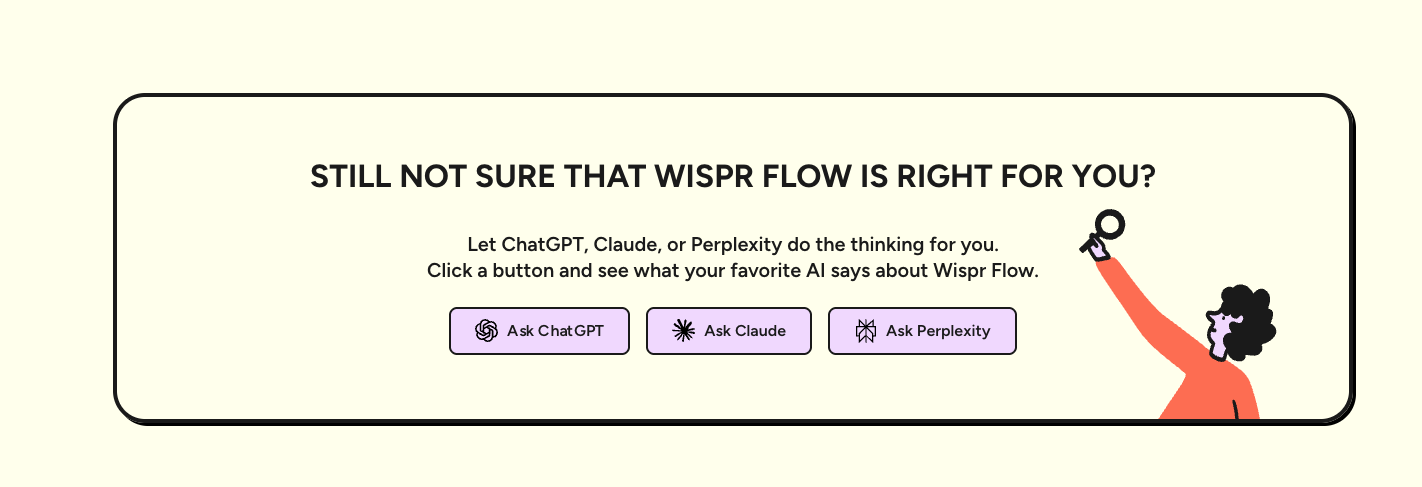
Let ChatGPT, Claude or Perplexity tell you more. ZURB helps organizations replace assumptions with evidence, using rapid customer testing and continuous iteration to build products and websites that perform better with real users.
Which Made Us Zoom Back Out
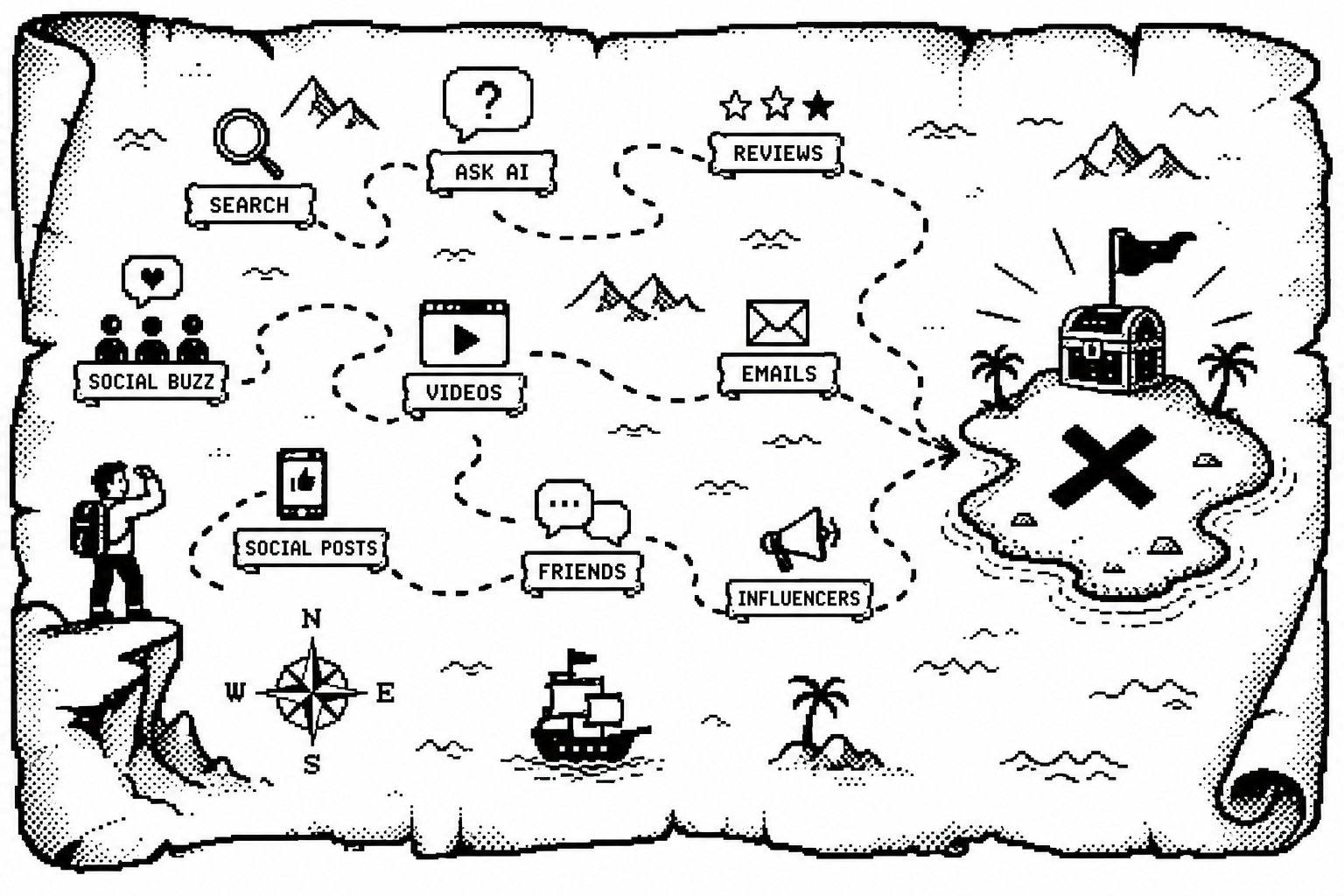
If the beginning of the journey has changed, we wanted to look at the rest of it too. Where are people forming opinions? Where are they comparing? Where are they getting stuck? And what should teams actually be testing at each stage?
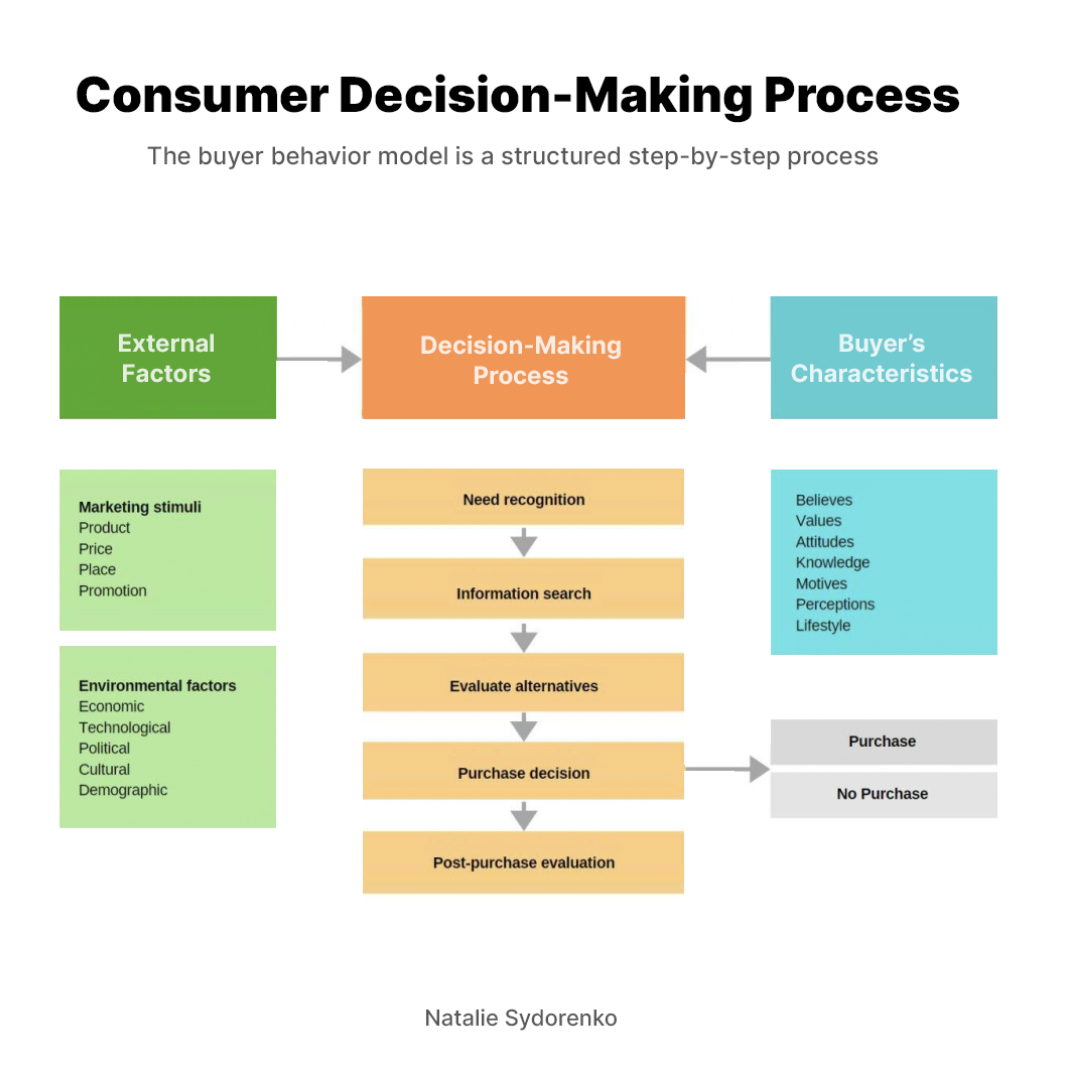
We mapped that against Buying Decisions Start Before Your Page Loads, to see what AI changes inside it. Nobody moves through those stages in a straight line, so treat it as a way to get specific rather than a map to follow.
Most of what we know here came from asking people a lot of questions. That's what testing is good for. You find out where people actually get stuck instead of guessing at it.
This is our current headspace! AI is changing what potential customers know before they find you, what they expect when they arrive, and what they need from you next.
You may not control where the customer journey begins anymore, but you can get much better at meeting people wherever they are in it.
Until next time..